Why Colorado has a radon issue
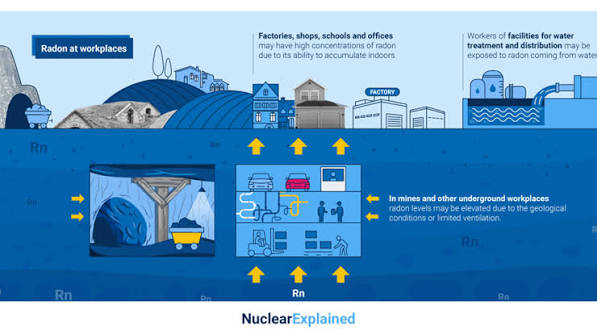
Radon comes from the natural decay of uranium in soil and can enter through foundation cracks, slab joints, drains, crawlspaces, and utility penetrations. A map or a neighbor's result cannot predict one specific house.
Testing during a purchase
A buyer can request a short-term radon measurement during the inspection period. Use a Colorado-licensed radon measurement professional, follow closed-house conditions, and preserve the report. New construction should also be tested even when radon-resistant features are installed.
What happens above 4.0 pCi/L
The EPA recommends fixing a home at or above 4.0 pCi/L and considering action between 2.0 and 4.0. A common mitigation system uses sub-slab depressurization, piping, and a continuously operating fan. The system should be installed by a Colorado-licensed professional and retested after work.
Contract strategy
Radon is negotiable under the contract and inspection process; it is not an automatic seller obligation. Depending on timing and leverage, the parties may agree to installation, a seller credit, a price adjustment, or no change. Put any agreement in writing and coordinate it with lender and closing requirements.