Life in Denver · Colorado history
Colorado 150: a guide to the Centennial State’s sesquicentennial
In 2026, Colorado marks 150 years of statehood. This guide organizes the background, Denver-area events, and ongoing projects highlighted by CBS Colorado.
The background
Why is Colorado the Centennial State?
Colorado became the 38th state on August 1, 1876—one hundred years after the Declaration of Independence—earning the nickname “Centennial State.” In 2026, Colorado’s 150th anniversary coincides with America’s 250th.
CBS Colorado’s project goes beyond a calendar of celebrations. Its reporting connects historic people, places, transportation, and agriculture with present-day technology, communities, and culture—and asks what Colorado’s next 150 years might hold.
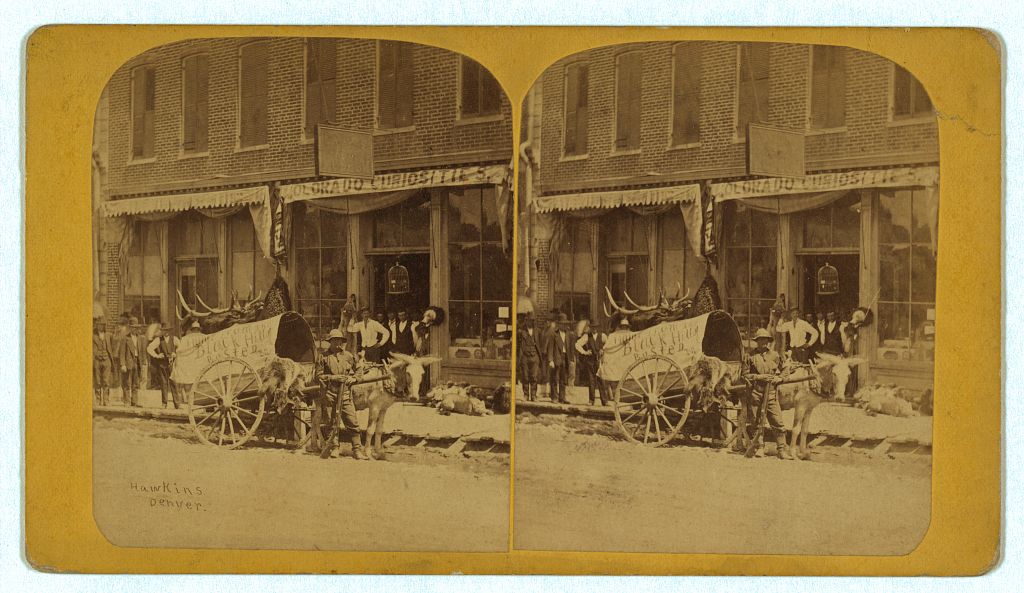
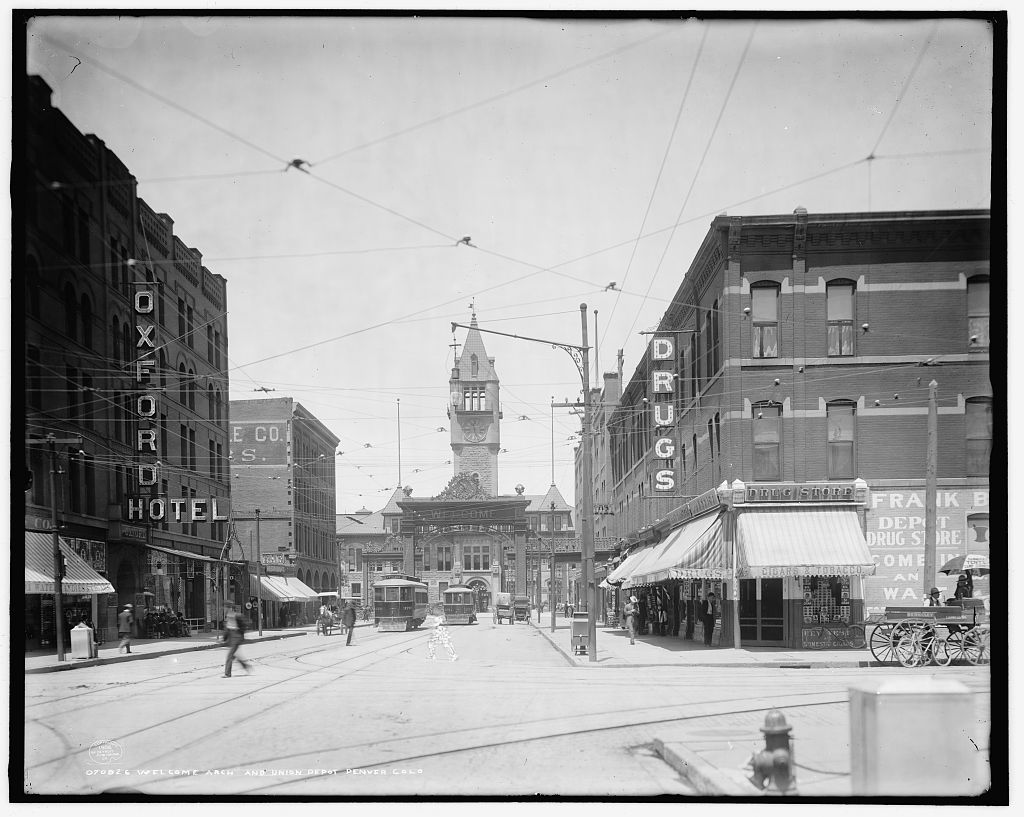
August 1, 2026
How Denver is celebrating Colorado Day
These are selected events highlighted by CBS. Schedules can change, so confirm with the organizer before going.
Colorado Day Community Fest & Pancake Breakfast
History Colorado · Golden Triangle1200 Broadway, Denver, CO 80203Free breakfast, street festivities, and free museum admission.
Check the organizer’s event page ↗Colorado Day Art Market & Free Day
Denver Art Museum100 W 14th Ave Pkwy, Denver, CO 80204An outdoor market featuring nearly 50 Colorado artists, plus free museum access.
Check the organizer’s event page ↗Colorado Day at Union Station
Denver Union Station1701 Wynkoop St, Denver, CO 80202Free performances, cultural experiences, food, and family activities.
Check the organizer’s event page ↗Mile Long Table
National Western Center5115 Race Ct, Denver, CO 80216A statewide community dinner designed for 5,280 guests.
Check the organizer’s event page ↗Throughout 2026
Beyond one birthday: four ongoing programs
Stories in the Sky
Nearly 150 community drone shows are planned across Colorado through December 2026.
Journey Through Colorado
A digital passport encouraging visits to local attractions, businesses, and historic places.
38th Star
History Colorado revisits statehood through photographs, documents, artifacts, and overlooked voices.
Colorado 150 Film Festival
Screenings and conversations about Colorado run from May 23 through November 20, 2026.
How to explore the project
Go beyond where people live—and understand how each place became what it is.
For anyone getting to know the Denver metro, the most useful part is not a single event but the pattern of local development: how Sterling Ranch moved from ranchland toward a large planned community, why historic places need preservation, and how rail, water, and agriculture shaped different cities.
That context does not replace home tours, commute research, or budget planning, but it can clarify where a community’s identity came from and where future change may happen.
Sources & copyright note
This is an independently written guide based on public information, not an official or line-by-line CBS translation. Reporting, images, and trademarks remain with their respective owners; verify event details with organizers.