How the bill is built
Colorado taxes a property's assessed value, not simply the purchase price. The county assessor determines actual value for a reappraisal cycle, a state-set assessment rate converts that value to assessed value, and local taxing districts apply mill levies. Credits, temporary reductions, and district-specific levies can change the final bill.
Colorado versus other states
Tax Foundation's latest owner-occupied comparison shows New Jersey at 2.23%, Illinois at 2.07%, Connecticut at 1.92%, Colorado near 0.50%, and Hawaii near 0.27%. This is an effective-rate comparison—not a promise about any individual home or a ranking of total state tax burden.
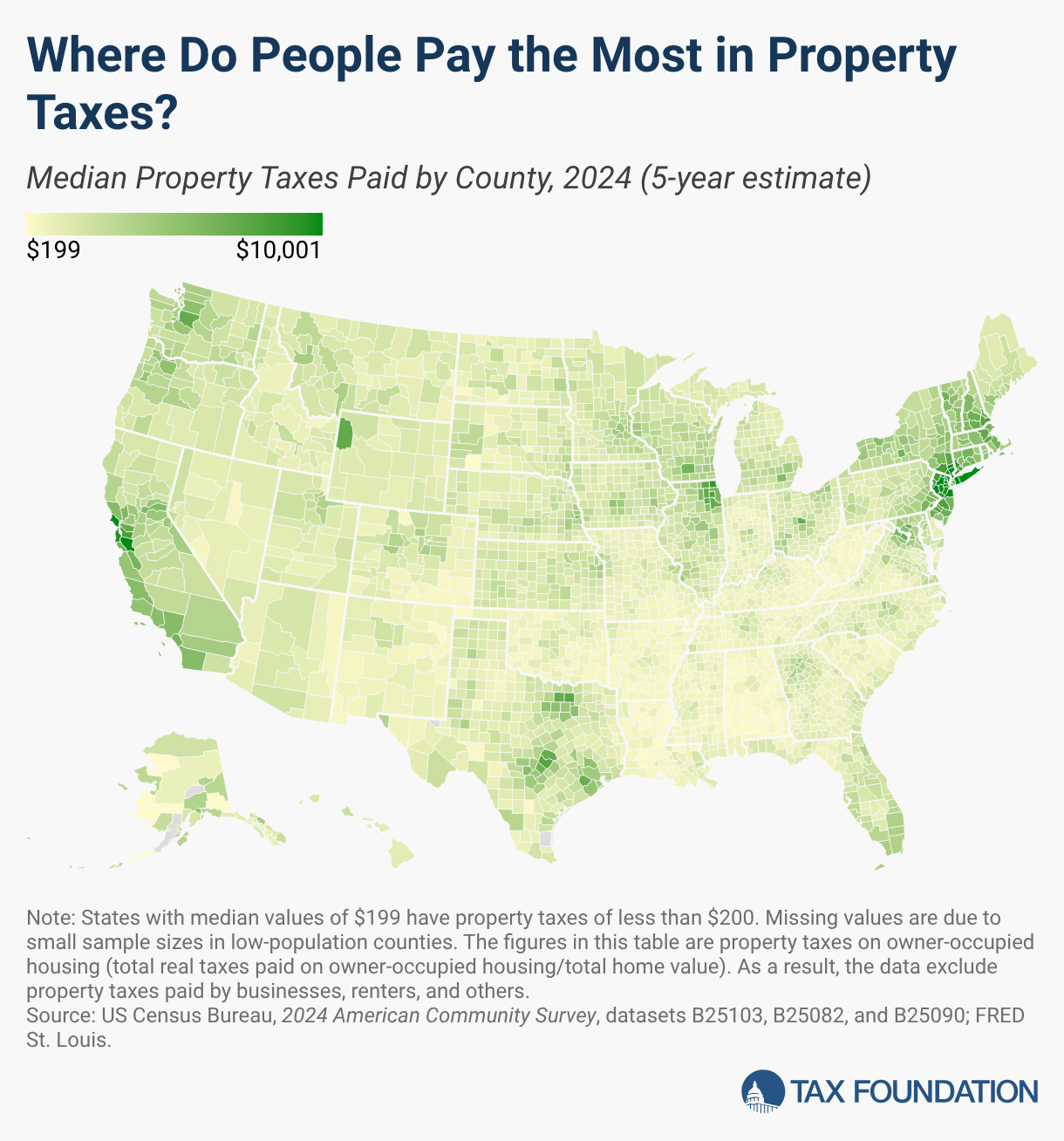
- Denver County 0.47% · $2,751
- Arapahoe County 0.55% · $2,938
- Douglas County 0.57% · $3,947
- Boulder County 0.52% · $3,998
- Jefferson County 0.53% · $3,082
Why two similar homes can differ
Homes can sit in different school, fire, water, recreation, or metropolitan districts. Newer communities may carry metro-district debt; senior or disabled-veteran exemptions may apply to one owner but not transfer to a buyer. Always inspect the current tax certificate and district disclosures.
Budget with an estimate, not last year's bill
A sale, reassessment, new construction, expiring credits, or changing mill levies can alter future taxes. Ask the lender and title company how they estimated escrows, then keep a cash cushion. If the assessor's value appears unsupported, use the formal appeal process.